

Our Regional Conference Was a Success
Event recap
Investing in Mental Health for Resilient Societies
Regional Conference | 4 November 2026 | Riigikogu (Estonian Parliament), Tallinn
Policymakers, researchers, civil society and people with lived experience came together in Tallinn to discuss how mental health investment can become concrete policy and funding decisions at EU and national level.
130+
participants
50+
in the room
~80
joining online
5
organising partners
Key takeaways
Mental health is an economic issue as well as a health issue. OECD modelling estimates that mental ill health costs around 1.7% of GDP across the EU, putting it on a par with tobacco use and obesity.
Too many people can’t get support. Nearly 1 in 5 people across OECD countries are affected by mental health problems, and around 60% of those who need care are unable to access it.
Prevention works, but isn’t yet at scale. Effective tools already exist in schools, workplaces and primary care. The challenge is sustained investment to reach everyone who needs them.
Investment has to reach beyond health services. Education, employment, housing, social protection and workplaces all shape people’s mental health, and participants stressed the role of workplaces in both prevention and support.
Photos from the day
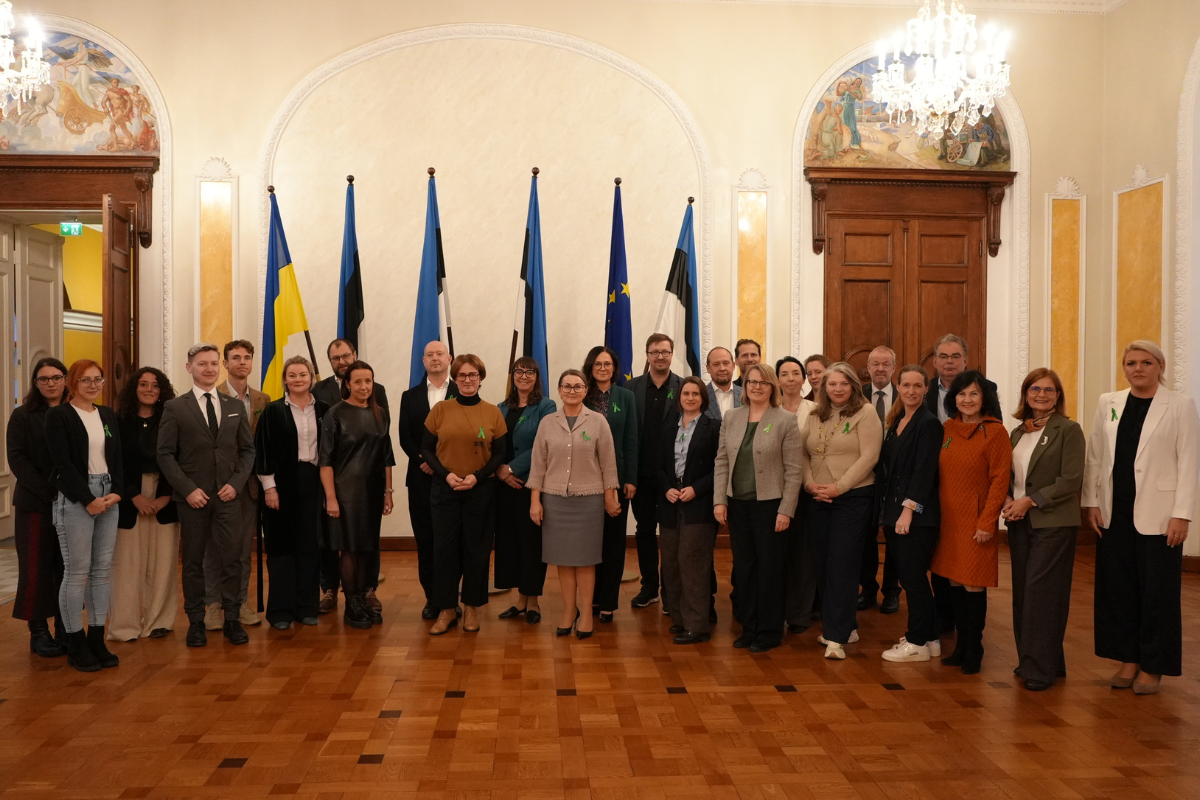
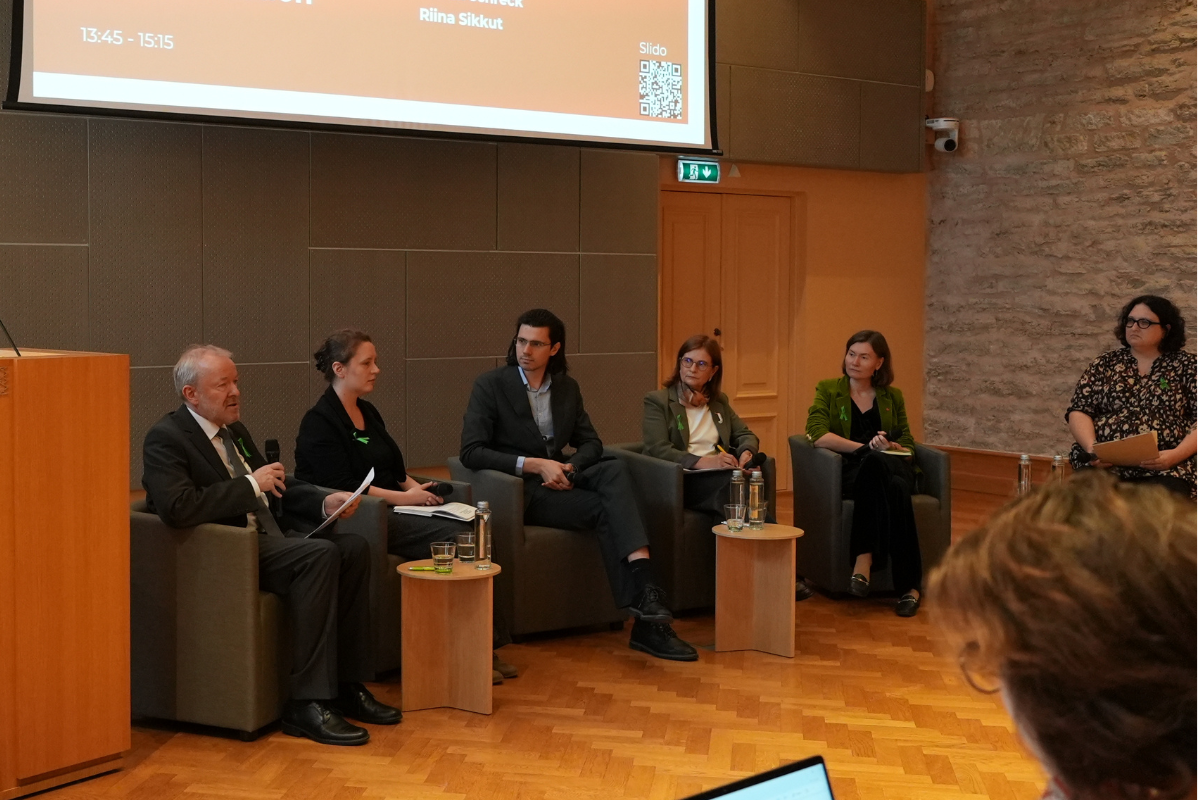
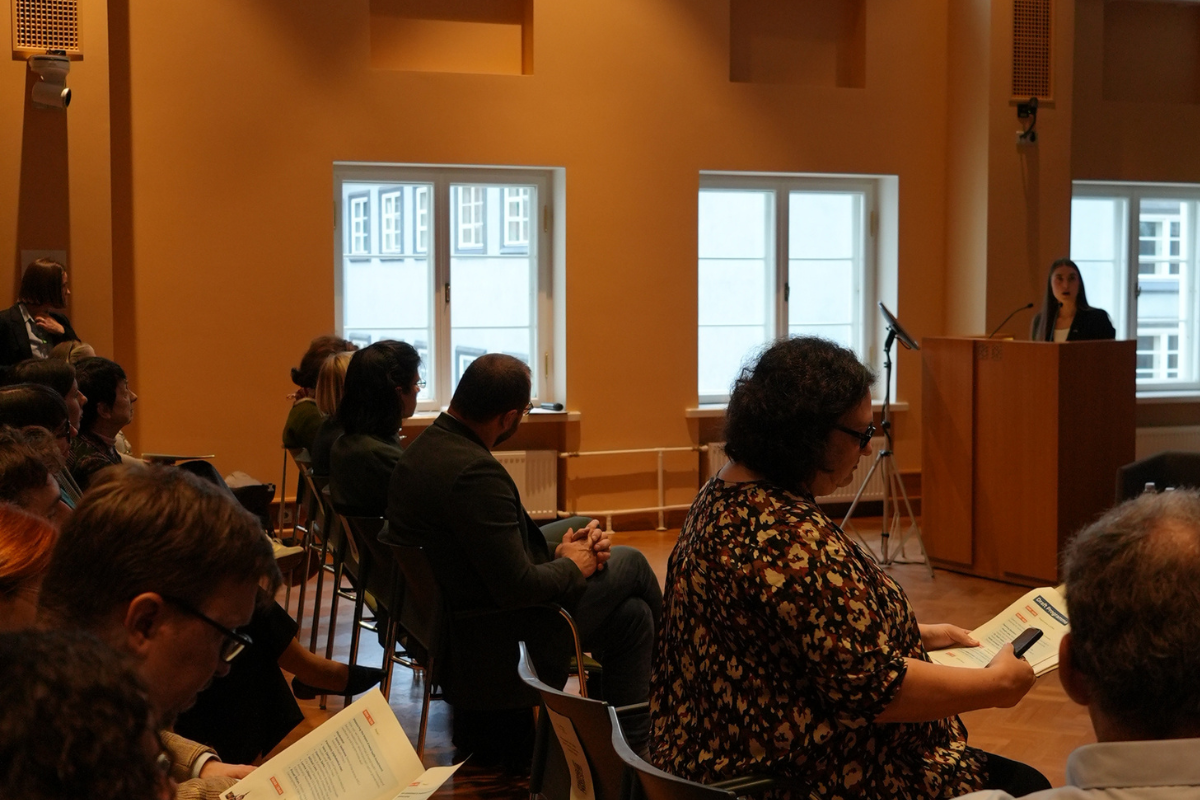
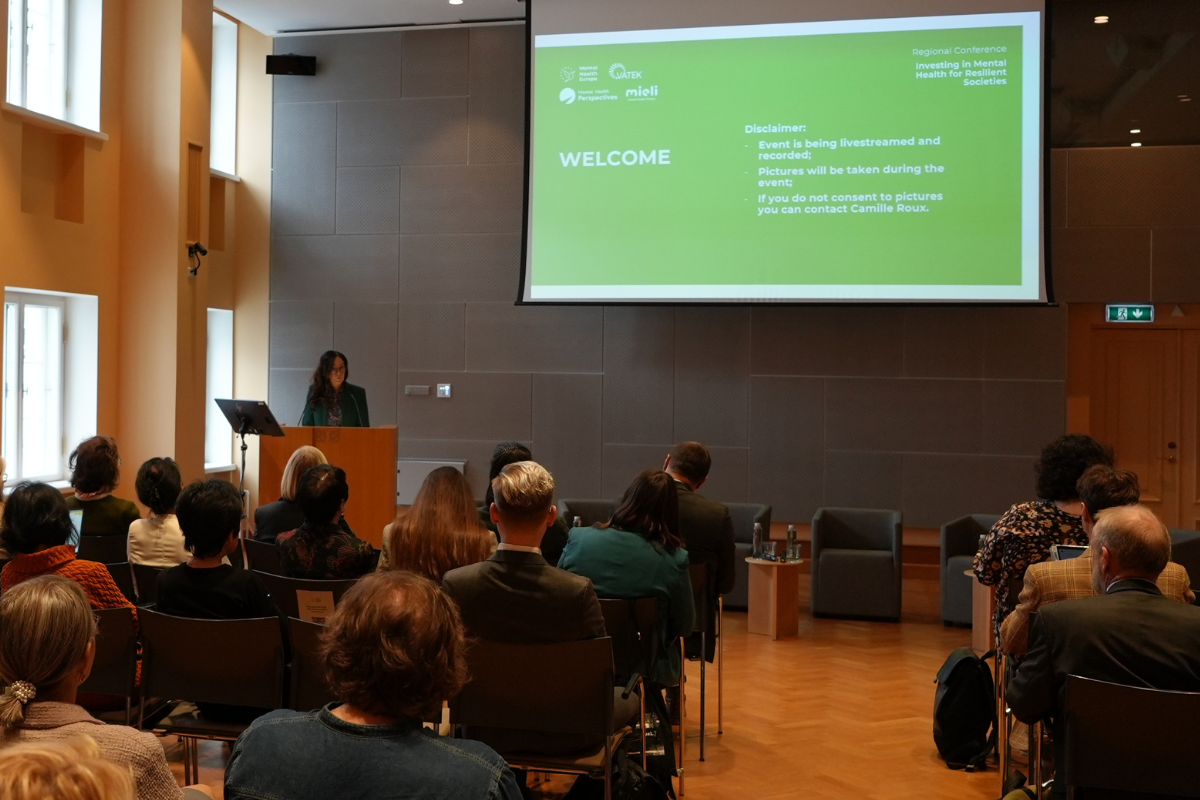
Session highlights
Welcome and opening
The conference was hosted and opened by Hanah Lahe, Member of the Estonian Parliament and Chair of the Parliament’s Support Group for Youth Mental Health, who highlighted the interest from fellow parliamentarians, several of whom took part in person or online. Further opening remarks came from Dr Kadri Haljas (VATEK) and Karilė Levickaitė, President of Mental Health Europe and Director of Mental Health Perspectives, Lithuania.
Keynote: The economic and societal case for investing in mental health
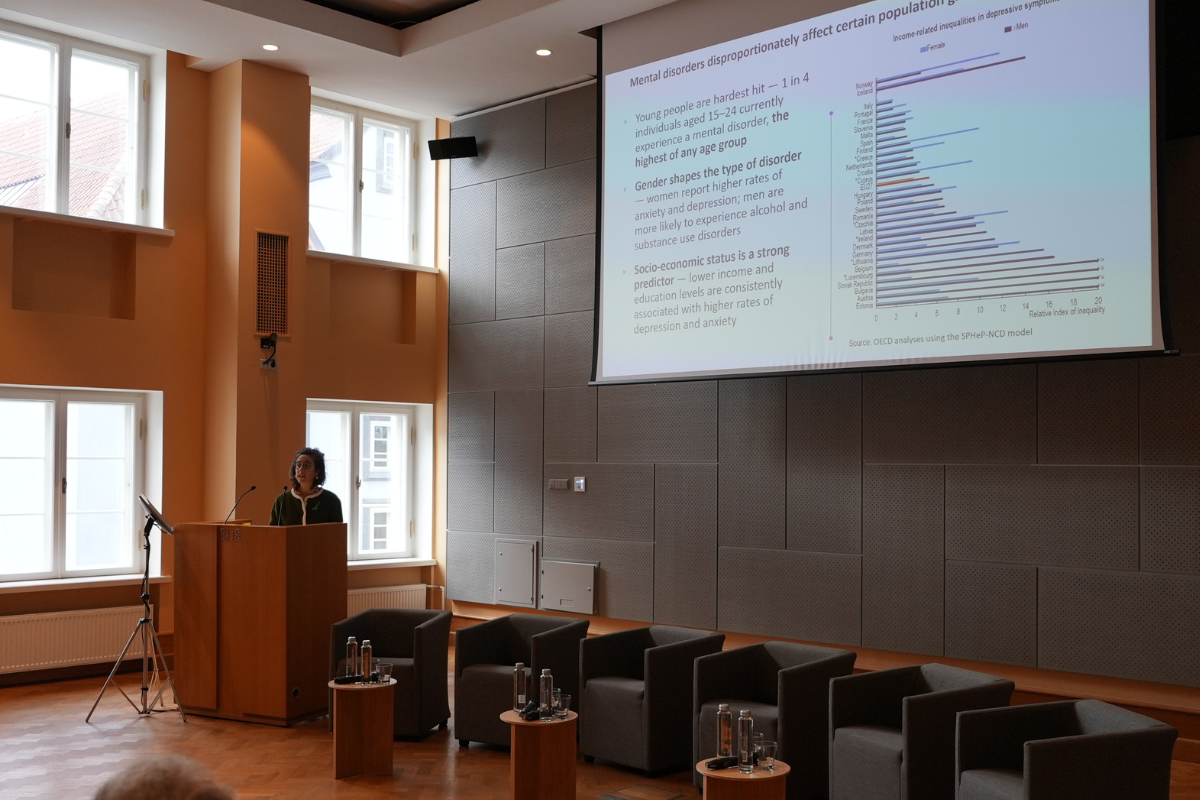
Aliénor Lerouge, Lead Modeler at OECD Public Health, presented findings from the OECD’s report on preventing mental ill health, which looks at the impact of anxiety, depression and alcohol use disorder. She showed how mental health problems affect people’s ability to work and stay in employment, and stressed that official figures are likely an underestimate, since many cases go undiagnosed and stigma still delays people seeking care. She also highlighted that gender and socioeconomic status shape how people experience mental health problems.
Read the OECD report: The Economic Case for Preventing Mental Ill Health
Panel 1: Measuring the impact of mental health investment
Moderated by Sanna Vesikansa (MIELI Mental Health Finland), with Vera Gergov (Finnish Institute for Health and Welfare), Hannes Jarke (EuroHealthNet), Mihkel Lees (Member of Parliament and Chair of the Tartu City Council Social Affairs Committee), Lenne Lillepuu (EPill) and Pavel Říčan (Centre for Mental Health Care Development, Czech Republic).
Questions we explored
What improvements in daily life show that an investment in mental health has genuinely worked, even when they don’t appear in healthcare statistics?
How can elected representatives make the case for prevention when budgets are tight and the benefits appear in another sector’s budget?
How did the Czech Republic move from EU funding to sustainable national financing for community mental health services?
Panel 2: From commitment to investment – translating EU priorities into national action
Moderated by Karilė Levickaitė (Mental Health Europe), with Ülla-Karin Nurm (Northern Dimension Partnership in Public Health and Social Well-being), Ann-Katrin Orr (Mental Health Europe), Ignas Rubikas (Vice-Minister of Health, Lithuania), Stefan Schreck (DG SANTE, European Commission) and Riina Sikkut (Member of Parliament and former Minister of Health of Estonia).
Questions we explored
As the next EU long-term budget is negotiated, what would it mean in practice to embed mental health across EU funding priorities?
What does it take to bring other ministries into a shared mental health agenda and connect it to their spending decisions?
Where can cooperation between countries add the most value to national investment in mental health?
Closing discussion: Regional priorities and next steps
Parliamentarians from across the region reflected on the day’s discussions and priorities for future EU and national action, in a session moderated by Dr Kadri Haljas (VATEK). Camille Roux, Policy Manager at Mental Health Europe, closed the conference.
Watch again and resources
Conference recording
Catch up on the full day of discussions.
Coming soon
Keynote presentation
Slides from the OECD keynote on the economic case for investing in mental health.
What happens next
Negotiations on the EU’s next long-term budget, the Multiannual Financial Framework 2028–2034, will shape funding for years to come. Mental Health Europe will keep working with our members and partners to make sure mental health is embedded across EU funding and policy priorities, and that commitments become lasting investment at national level.
Stay up to date on our work and future events.
Thank you
Our thanks go to the Riigikogu for hosting us, to Hanah Lahe for opening the conference, to all our speakers, and to everyone who joined us in Tallinn and online. The conference was organised by Mental Health Europe with our members the Estonian Coalition for Mental Health and Well-being (VATEK), the Estonian Mental Health Society, Mental Health Perspectives (Lithuania) and MIELI Mental Health Finland.
Stay connected
Get our latest news, personal stories, research articles, and job opportunities.

